
Marble Floor Cleaning And Polishing
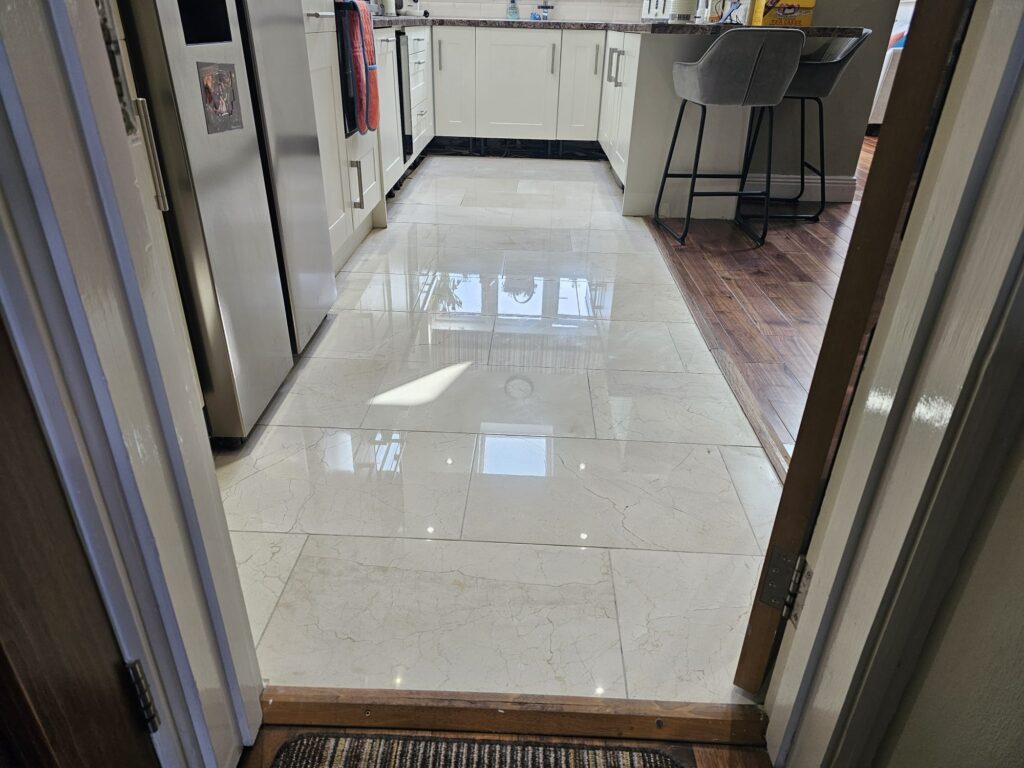
What Is A Marble Floor Marble, a timeless and luxurious material, has been a cornerstone of architecture and design for millennia, gracing everything from ancient monuments to modern high-end homes and commercial spaces. A marble floor is an exquisite natural stone flooring option renowned for its unique veining, rich color variations, and innate ability to bring sophistication to any interior. What exactly is this stone and how is it produced? Scientifically, marble is a metamorphic rock, meaning it was once another type of rock—typically limestone—that has been subjected to intense heat and pressure deep within the Earth’s crust over millions of years. This process, known as metamorphism, causes the original carbonate minerals (primarily calcite, and sometimes dolomite) to recrystallize, resulting in the interlocking, granular texture that defines true marble. The distinct patterns, or veins, are created by various mineral impurities like clay, silt, sand, iron oxides, or chert, which were present in the original limestone. The color of the marble is largely determined by the primary mineral composition, with pure, highly refined calcite marble being brilliant white, while impurities introduce shades of black, grey, pink, green, yellow, and red. The production of marble flooring is a multi-step, labor-intensive process that begins in quarries located around the world, from Italy and Greece to Brazil and China. Massive blocks of stone are extracted using specialized cutting equipment, minimizing fracturing. These raw blocks are then transported to processing plants where they are cut into slabs using multi-wire saws or gang saws. Once cut, the slabs are typically treated with an epoxy or resin to fill any natural fissures and enhance the structural integrity. Finally, the surface is subjected to a series of mechanical abrasion and polishing steps to achieve the desired finish, ranging from a matte honed look to the brilliant, mirror-like polished finish that is most sought after for flooring. The installation of a marble floor transforms a space, but it is crucial to understand that while a marble floor can look amazingly natural, a marble floor that is not polished or sealed is likely to absorb a lot of dirt and to stain very easily, demanding a commitment to proper long-term marble floor cleaning and maintenance to preserve its aesthetic appeal. Types Of Marble Floors The world of marble is vast and varied, with thousands of different types quarried globally, each possessing a unique blend of color, veining, and mineral composition. Understanding these types is essential for appreciating their maintenance needs. Broadly, marbles can be categorized by their origin and appearance, with certain types achieving global popularity due to their distinct elegance and durability. The Most Popular Marble Varieties Classification by Finish The type of finish dramatically impacts a marble floor’s look and maintenance requirements. What Is Marble Polishing Marble floor polishing is a crucial maintenance and restoration process designed to enhance and protect the natural beauty of the stone floor, specifically by imparting a high-gloss, reflective shine. Over time, all marble floors, especially in high-traffic commercial and residential areas, begin to suffer from wear and tear. This includes dull patches caused by foot traffic, microscopic scratches from dirt and grit, acid etching from spills (like citrus or vinegar), and general loss of luster. Simply mopping the floor, even with the best floor cleaning dublin services, will not be enough to resolve these surface defects. Polishing is fundamentally about smoothing the stone’s surface to the point where light reflects uniformly, creating the characteristic mirror-like finish. This process is distinct from mere cleaning; it is a form of light restoration. It involves using progressively finer abrasive materials and/or chemical compounds to smooth the microscopic peaks and valleys that develop on the surface. When the surface is perfectly smooth, the pores are tightened, which not only increases the shine but also makes the stone less susceptible to immediate dirt absorption and staining. A well-polished floor is easier to clean and maintain on a daily basis. The goal of professional natural stone polishing is twofold: first, to mechanically or chemically restore the original factory finish or achieve a new, desired level of gloss; and second, to prepare the stone for effective sealing. The gloss on a marble floor can be achieved with a marble floor polishing powder, a sealer, an impregnator, some type of floor polish or by buffing the surface with a high speed floor burnisher and a diamond pad. While marble floor polishing can be attempted by DIY users, it is highly recommended to use a fully insured and highly regarded marble floor cleaning contractor to ensure the correct techniques and products are used, preventing irreversible damage to this expensive natural material. Best Marble Polishing Technologies Achieving a high-quality, durable, and deep gloss on a marble floor requires a combination of skilled technique and advanced technology. The most efficient marble floor cleaning technologies and polishing systems can vary slightly from country to country, but the fundamental mechanical and chemical principles remain consistent globally. Modern polishing is primarily carried out through two main technological approaches: mechanical abrasion (grinding and honing) and chemical crystallization (powder or compound polishing). Mechanical Abrasion and Grinding This is the most effective and aggressive method, used to remove deeper scratches, stubborn stains, and significant lippage (uneven tile edges) before polishing. To remove scratches and dull patches from any marble floor, the user has to use either diamond impregnated pads or special steel plates that grind the floor slowly. Chemical Polishing and Crystallization Once the mechanical grinding has achieved a smooth surface, chemical processes are used to lock in the final, brilliant shine. How To Polish Marble Floors The process of marble floor polishing is a systematic restoration that moves from deep cleaning and repair to final sealing and gloss achievement. It’s an involved, multi-stage operation best performed by trained professionals. Deep Cleaning and Preparation The first step is a thorough deep clean. The floor must be entirely stripped of old waxes, sealers, and surface dirt. This is achieved using a professional, alkaline stone cleaner and a low-speed scrubbing