
Oiled Floor Maintenance
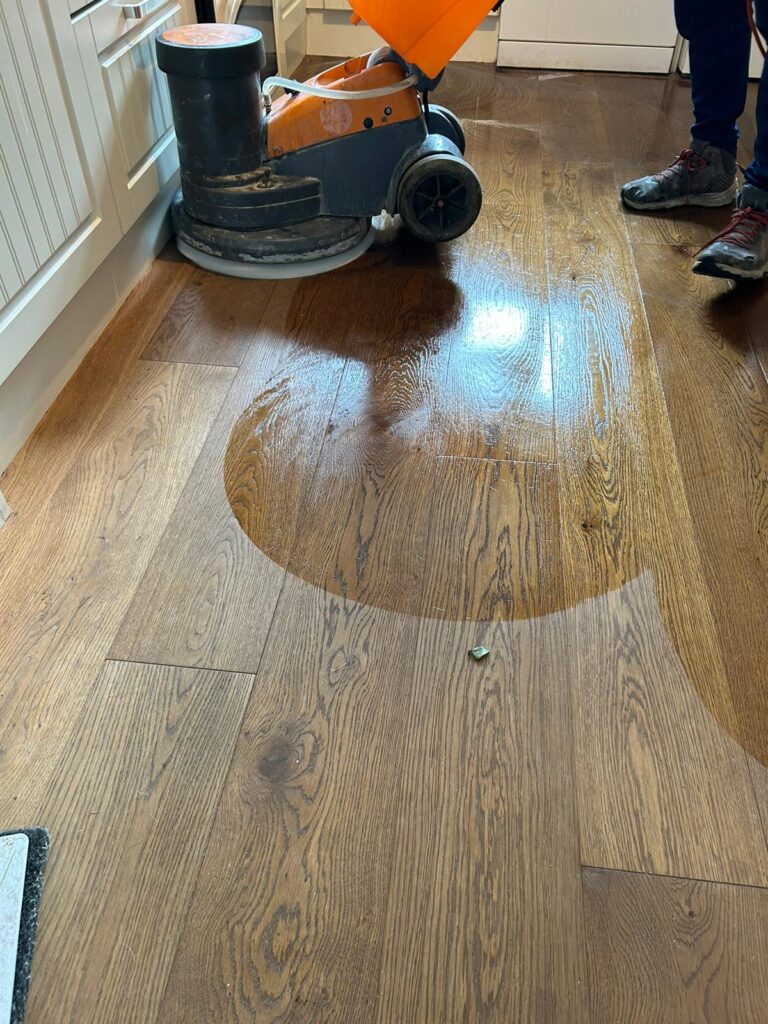
The Natural Beauty Of Oiled Floors Oiled floors possess a unique and timeless charm that resonates with a connection to nature. Unlike other floor finishes, the floor oils are likely to preserve the natural look of the wood without creating an artificial coating. This is a significant advantage for those who appreciate the inherent beauty and texture of natural timber. The oil penetrates deep into the wood fibers, nourishing and protecting them from within. Most floor oils are being nearly fully absorbed by the wood, leaving a matte or satin finish that feels natural underfoot. The floor’s texture, the grain and the very fiber of the wood, can still be distinctly felt when touched, providing a tactile experience that a surface coating cannot replicate. This natural finish is also highly appreciated for its ability to allow the wood to breathe. The natural ventilation afforded by the oil helps regulate moisture within the wood, which is beneficial for the floor’s longevity. Furthermore, a key consideration for many environmentally conscious consumers is the chemical composition of the finish. Generally, floor oils usually contain less harmful chemicals than the solvent-based floor lacquers, making them a more appealing, ‘greener’ option for interior spaces. The aesthetic appeal of an oiled floor is one of warmth, depth, and character, making it a highly desirable choice for both modern and traditional homes. The soft sheen and the way the wood ages gracefully over time, acquiring a beautiful patina, only add to its enduring appeal. The Difference Between The Oils And Lacquers Understanding the fundamental difference between oils and lacquers is crucial for effective floor maintenance. The primary distinction lies in how they interact with the wood. Floor oils are penetrating finishes; they sink into the wood to protect it from the inside out. They bind with the wood fibers and harden within the material, creating a robust, yet completely natural-looking barrier against dirt and moisture. They enhance the wood’s natural color and grain without masking it. In contrast, most floor lacquers are surface finishes. They are likely to over glaze the surface and create an artificial coating over the top of the wood. This coating acts as a seal, completely covering the wood. While lacquers offer very high resistance to wear and tear and are generally easier to clean, they create a plastic-like layer that can look somewhat artificial. This surface layer also prevents the natural ventilation of the wood. When a lacquer is damaged or scratched, the entire surface may need to be sanded down and recoated to restore its uniform look. For an oiled floor, a localized repair is often possible, simply by spot-cleaning and reapplying oil to the damaged area, making maintenance less disruptive in the long run. The choice between oil and lacquer often comes down to a preference for a natural, repairable finish (oil) versus a highly durable, low-maintenance surface coating (lacquer). Hardwaxoil Versus Floor Oils Within the category of oil finishes, there are two major types to consider: floor oils and hardwax oils. While both penetrate the wood, their final appearance and performance characteristics differ. The standard floor oils are fully absorbed by the wood, leaving a very natural, open-pore finish. They are typically manufactured from natural components, such as olive oil, often combined with some enhancers to improve durability and drying time. This type of oil profoundly showcases the wood’s natural texture and feel. There are clear oils that do not change the look and the colour of the wood at all, maintaining the original pale shade, and there are floor oils that contain a tint, which can be used to deepen the color or alter the hue of the wood. The goal of traditional floor oils is purely to nourish and protect the wood without creating a noticeable surface layer. Hardwax oils, on the other hand, are designed to imitate the look of the lacquers while retaining some of the natural feel of an oiled floor. They are a blend of natural oils and waxes. The oil component penetrates and nourishes the wood, while the wax component remains on the surface, forming a thin, protective, and slightly harder layer. This wax layer provides enhanced resistance to water and spills compared to traditional oils and often results in a finish that has a slightly more noticeable sheen, falling somewhere between the matte look of a traditional oil and the high gloss of a lacquer. This provides an excellent compromise for those who desire the durability and easier cleaning of a surface layer but still want a finish that allows the wood to breathe and can be repaired locally. How To Refresh Oiled Floors Refreshing an oiled floor is a necessary maintenance process that restores its protective qualities and aesthetic appeal. Over time, high-traffic areas will show signs of wear as the oil is slowly depleted. The entire refreshing process is a multi-step operation that ensures the floor is properly prepared and treated for maximum longevity. Deep Cleaning Preparation Before any oil is reapplied, the floor must be meticulously cleaned. The floor should be deep cleaned with a quality oiled floor cleaning product to remove as much dirt, grime, and old, soiled oil as possible. The presence of dirt will inhibit the penetration of the new refresher coat and lead to an uneven, dirty appearance. This deep cleaning is best achieved with a flat mop, utilizing a controlled amount of water. Excessive water should be avoided at all costs, as wood is highly susceptible to water damage. The cleaning agent must be specifically formulated for oiled floors, as harsh household cleaners can strip the remaining oil and damage the wood. Once cleaned, the floor must be allowed to dry completely. A clean, matte surface is the ideal foundation for the refresher oil. Application of the Refresher Oil Once the floor is bone dry and clean, the refreshing oil can be applied. A thin coat of oiled floor refresher should be applied evenly all over the floor. The key to success