
What Is The Marmoleum Floor
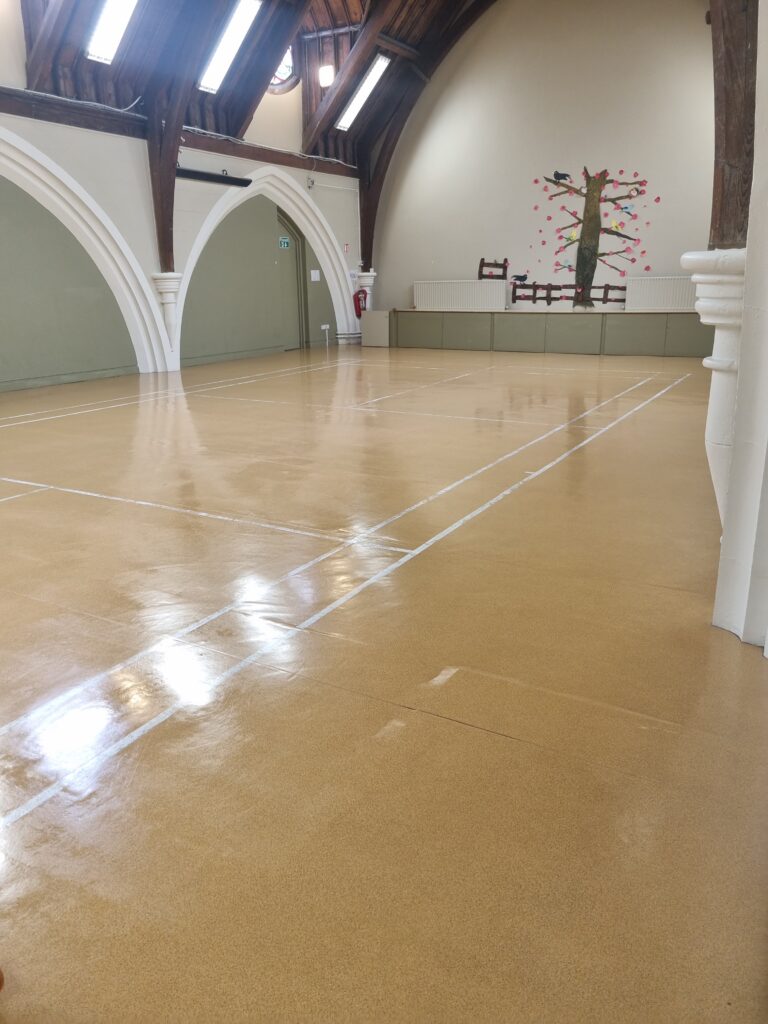
Clean, Seal And Polish Marmoleum Floors Like A Pro Marmoleum is a modern, eco-friendly floor covering designed as a durable alternative to traditional vinyl and lino floors. While it may look similar to linoleum, marmoleum is manufactured from natural and renewable raw materials such as linseed oil, wood flour, pine rosin, jute fibre, and natural pigments. Because of its organic composition, it is considered one of the most environmentally responsible floor types available. It has a low carbon footprint, is biodegradable, and contains none of the plasticisers or synthetic additives found in PVC-based flooring. Marmoleum floors are widely installed in schools, hospitals, nursing homes, dance studios, sports centres and public buildings, where hygiene, safety and sustainability are essential. The surface is slightly soft and warm underfoot, naturally anti-static, and contains antibacterial properties thanks to the oxidising linseed oil. Under normal residential use, marmoleum can remain perfectly intact for many years. However, in high-traffic areas—such as classrooms, corridors, gyms or commercial spaces—marmoleum floors experience high levels of friction, scraping, and soil embedding, which means they require periodic deep cleaning, sealing, and polishing to avoid permanent wear. Because marmoleum is porous when unsealed, it can easily absorb dirt, moisture, scuff marks and chemical stains. Therefore, regular marmoleum floor cleaning and scheduled marmoleum floor polishing are essential to maintain its appearance, hygiene, and lifespan. When treated professionally and maintained correctly, marmoleum floors can stay stain-free, glossy and protected for over a decade. Why Should You Polish The Marmoleum Marmoleum is not fully protected straight from installation. Unlike vinyl, it does not come with a built-in factory polymer coating. Once exposed to foot traffic, chairs, sports equipment or cleaning chemicals, unsealed marmoleum can dull quickly and suffer abrasion, patching and irreversible scratches. This is why all reputable floor cleaning companies, floor cleaning contractors, and floor cleaning services strongly recommend sealing and polishing marmoleum floors shortly after installation. Polishing marmoleum provides several important benefits: A fully polished marmoleum floor behaves like a protected surface rather than an absorbent one. Without this coating, the floor will deteriorate rapidly, especially in commercial buildings. If maintained properly, polishing only needs to be repeated every 1–3 years depending on footfall and cleaning routines. Marmoleum Floor Stripping Process Before marmoleum floor polishing can be carried out, any old sealers, floor polishes or embedded grime must be completely stripped off. Stripping is the most important step in the restoration cycle, and should only be carried out using professional floor stripping products, rotary floor buffers, and wet vacuum systems. A correct stripping process follows these principles: Correct marmoleum floor stripping produces a clean, residue-free, matte surface that is ready to accept new coats of sealer or primer. Failure to strip properly leads to visible streaks, patching, dull spots, and poor polish bonding. Important safety notes: Do not use ammonia-based, bleach-based, or acidic stripping solutions. Do not scrape the surface with blades. Do not scrub the floor with abrasive scourers. Improper stripping can permanently damage marmoleum. Marmoleum Floor Sealing Process Once the floor is fully stripped, rinsed and dried, the next step is marmoleum sealing. Sealing is what closes the microscopic pores of the floor and prepares it for polishing. Professional floor cleaners typically apply a primer or base sealer to level out small imperfections, restore colour uniformity and increase product adhesion. This base coat acts as a foundation layer that prevents the polish from soaking into the floor. After priming, the floor is sealed with two coats of high-traffic, water-based floor polish. The best and most widely recommended product for commercial marmoleum floors is Cleanfast Floor Polish 25%, a high-acrylic, durable finish designed for hospitals, schools, and retail buildings. It is easy to apply, dries quickly, and offers superior gloss retention and scuff resistance. Each coat should be applied with a clean microfiber mop applicator or polish pad, allowing full drying time between coats. Good ventilation and stable temperature are important for curing. Once both coats are dry, the floor is prepared for burnishing. Marmoleum Floor Polishing Polishing is the final stage in the restoration process and is responsible for creating the smooth, shiny, high-traffic protective finish that marmoleum floors are known for. The polishing stage involves buffing the sealed surface with a red or white pad using a high-speed burnisher. The heat generated during high-speed buffing melts the top surface of the floor polish slightly, allowing the coats to fuse together and harden into a single, durable layer. Polishing provides: Only red or white pads should be used. Black or green pads are too aggressive and will scratch and cut into the finish, leaving the floor patchy and dull. Once polished, the floor is ready for full use after a short curing period. Heavy furniture should not be dragged across the surface; instead, place protective pads under table and chair legs. How To Maintain Marmoleum Floors Proper marmoleum floor maintenance ensures the surface stays clean, shiny and damage-free for years. The maintenance routine depends on the environment, but the main rules are universal: Daily / Routine Cleaning Weekly Maintenance Periodic Maintenance What To Avoid If marmoleum becomes torn, deeply scratched, chemically burnt or stained beneath the sealer, polishing will not fix the damage. In those cases, replacement of the damaged section may be required. Best Marmoleum Floor Cleaner The best cleaner for ongoing marmoleum floor cleaning and marmoleum floor maintenance is always a PH-neutral floor detergent designed for sealed, polished floors. A good product removes dirt and grease without stripping polymers, dulling the surface, or reacting with the sealant. Professional floor cleaning companies typically use: Multi-surface cleaners, bleach, vinegar and heavy-duty degreasers should never be used on marmoleum as they weaken the finish and damage the surface. A local floor cleaning company in Dublin or any experienced floor cleaning contractor will always test the product PH before applying it to marmoleum.
Floor Cleaning Dublin | How To Clean All Types Of Floors

Floor Cleaning Dublin | How To Clean All Types Of Floors From time to time we will all be faced with some kind of floor cleaning project. The floors that used to be very glossy are now very matt and the floors that used to be matt are now very glossy. The grout lines are also very dirty and in some cases the floors can change colour due to high porosity and high absorbency. From here onwards you will need to decide if you have the finances to use the services of a professional floor cleaning company or if you are brave enough to do the work yourself. The point of this article is to give you the basic information about how to do it safely and what tools you might need to achieve decent results without permanently damaging the floor. Your idea might be right but by not knowing what to use on what surface, an accident can easily happen and instead of deep cleaning the floor you might end up burning the floor. Read this article as a guide not as a step by step information. Firstly, let’s find out what type of floor cleaning techniques can be done and what kinds of tools are required. The above three steps are the most basic steps used in the floor cleaning industry. Many other operations can be done to fully restore and polish all types of floors, but these three steps are the most essential in the process of floor cleaning and floor restoration. Below, we will detail the steps needed to deep clean most types of popular floors: Floor Cleaning Dublin | How To Clean All Types Of Floors